Your Pap smear guidelines uspstf images are ready. Pap smear guidelines uspstf are a topic that is being searched for and liked by netizens now. You can Download the Pap smear guidelines uspstf files here. Download all free photos and vectors.
If you’re searching for pap smear guidelines uspstf pictures information linked to the pap smear guidelines uspstf topic, you have pay a visit to the ideal blog. Our website frequently gives you suggestions for seeking the highest quality video and picture content, please kindly search and locate more informative video content and images that match your interests.
Pap Smear Guidelines Uspstf. The USPSTF recommends against routinely screening women older than age 65 for cervical cancer if they have had adequate recent screening with normal Pap smears and are not otherwise at high risk for cervical cancer see Clinical Considerations. The USPSTF recommends screening for cervical cancer in women age 21 to 65 years with cytology Pap smear every 3 years or for women ages 30. For women age 30 to 65 years recommendations are either Pap every three years or co-testing Pap and human papillomavirus HPV testing every five years preferred. For women aged 30 to 65 years the USPSTF recommends screening every 3 years with cervical cytology alone every 5 years with high-risk human papillomavirus hrHPV testing alone or every 5 years with.
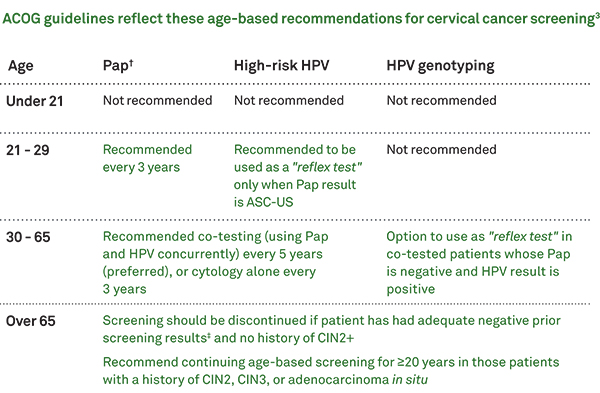 Pap Smear Guidelines Women S Health Care Kalispell Ob Gyn Associates From kalispellobgyn.com
In 2003 the USPSTF recommended that women age 65 years with prior normal cervical cancer screening could discontinue screening. The USPSTF recommends screening for cervical cancer every 3 years with cervical ytology alone in women aged 21 to 29 years. History of CIN AIS or cancer Pap smear screening via cervical cytology only should continue for 25 years regardless of whether the cervix is present or absent. A recommendation The USPSTF recommends against screening for cervical cancer in women younger than 21 years. If you are between the ages of 30-65 you are eligible for a Pap smear in combination with HPV screening every five years. Can I still be screened through my personal physician who is not a part of the WTC Health Program.
O Women immunized against HPV.
Women ages 21 to 29 years should have a Pap test every three years. According to USPSTF guidelines If you are between the ages of 21-29 you are eligible for a Pap smear every three years. O Women immunized against HPV. Women USPSTFACSASCCP WOMEN WITH HIV. HPV testing alone can be considered for women who are 25 to 29 but Pap tests are preferred. Screening recommended every 3 years for women 21-29.
 Source: quizlet.com
USPSTF Cervical Cancer Screening Recommendations for Women at Average Risk Cervical cancer screening should start at 21 years of age. If you are 21 to 29 Have a Pap test alone every 3 years. If you are between the ages of 30-65 you are eligible for a Pap smear in combination with HPV screening every five years. 6 The ASCCP and SGO issued interim guidance in 2015 that recommended primary HPV screening starting at age 25 years as an alternative to cytology alone or cotesting. USPSTF Cervical Cancer Screening Recommendations for Women at Average Risk Cervical cancer screening should start at 21 years of age.
 Source: uspreventiveservicestaskforce.org
Women 30-65 and older who. The 2018 USPSTF guideline included HPV testing alone cotesting and Pap testing as equal options. History of CIN AIS or cancer Pap smear screening via cervical cytology only should continue for 25 years regardless of whether the cervix is present or absent. Shared decision between provider and patient no recommendations either way for bimanual or pelvic exam ACOG. The difference in the new ACS guidelines is that they elevate HPV testing alone over the other two tests.
Source:
The USPSTF recommends against screening women over age 65 who have had normal Pap smears in adequate recent screenings and arent otherwise at high risk for cervical cancer. Pap screening may end at age 65 if the Pap history is unremarkable and the patient is low risk. Pap Smear Screening begins at age 21 regardless of when sexual activity starts. If you are between the ages of 30-65 you are eligible for a Pap smear in combination with HPV screening every five years. A recommendation The USPSTF recommends against screening for cervical cancer in women younger than 21 years.
Source: kalispellobgyn.com
The USPSTF now recommends that Pap Smears the test used to detect cervical cancer no longer be performed annually but every 2 years and that the screening not be initiated until age 21. Why does the new guideline recommend screening starting at age 25 instead of age 21. If you are between the ages of 30-65 you are eligible for a Pap smear in combination with HPV screening every five years. The USPSTF recommends against routinely screening women older than age 65 for cervical cancer if they have had adequate recent screening with normal Pap smears and are not otherwise at high risk for cervical cancer see Clinical Considerations. Can I still be screened through my personal physician who is not a part of the WTC Health Program.
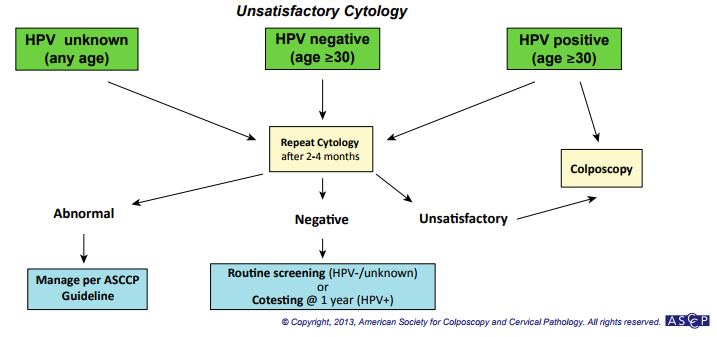 Source: doctorguidelines.com
Women age 30 and older who have had three consecutive normal Pap smears should have a Pap smear every three years. Adolescentsyoung women 20 and below are not recommended to have a Pap test or HPV testing. O Women immunized against HPV. Why does the new guideline recommend screening starting at age 25 instead of age 21. For women age 30 to 65 years recommendations are either Pap every three years or co-testing Pap and human papillomavirus HPV testing every five years preferred.
 Source: doctorguidelines.com
This test identifies cancer cells and abnormal cervical cells that may progress to cancer. Women who have had CIN 2 should continue screening for 20 years after the last abnormal test result even if it extends screening beyond age 65 years. The USPTF recommends every 3 years. If you are between the ages of 30-65 you are eligible for a Pap smear in combination with HPV screening every five years. This test identifies cancer cells and abnormal cervical cells that may progress to cancer.
 Source: twitter.com
Philadelphia March 15 2012 Women ages 21 to 65 should have a Pap smear every three years according to new guidelines from the United States Preventive Services Task Force USPSTF. 7 The American Academy of Family Physicians. For women age 30 to 65 years recommendations are either Pap every three years or co-testing Pap and human papillomavirus HPV testing every five years preferred. The USPSTF recommends screening for cervical cancer every 3 years with cervical ytology alone in women aged 21 to 29 years. Current United States Preventative Services Task Force USPSTF guidelines recommend screening for cervical cancer in women age 21 to 65 years with cytology Pap smear.
 Source: quizlet.com
The USPSTF now recommends that Pap Smears the test used to detect cervical cancer no longer be performed annually but every 2 years and that the screening not be initiated until age 21. USPSTF Cervical Cancer Screening Recommendations for Women at Average Risk Cervical cancer screening should start at 21 years of age. If you are 21 to 29 Have a Pap test alone every 3 years. The USPSTF recommends screening for cervical cancer every 3 years with cervical ytology alone in women aged 21 to 29 years. The USPSTF recommends screening for cervical cancer in women age 21 to 65 years with cytology Pap smear every 3 years or for women ages 30.
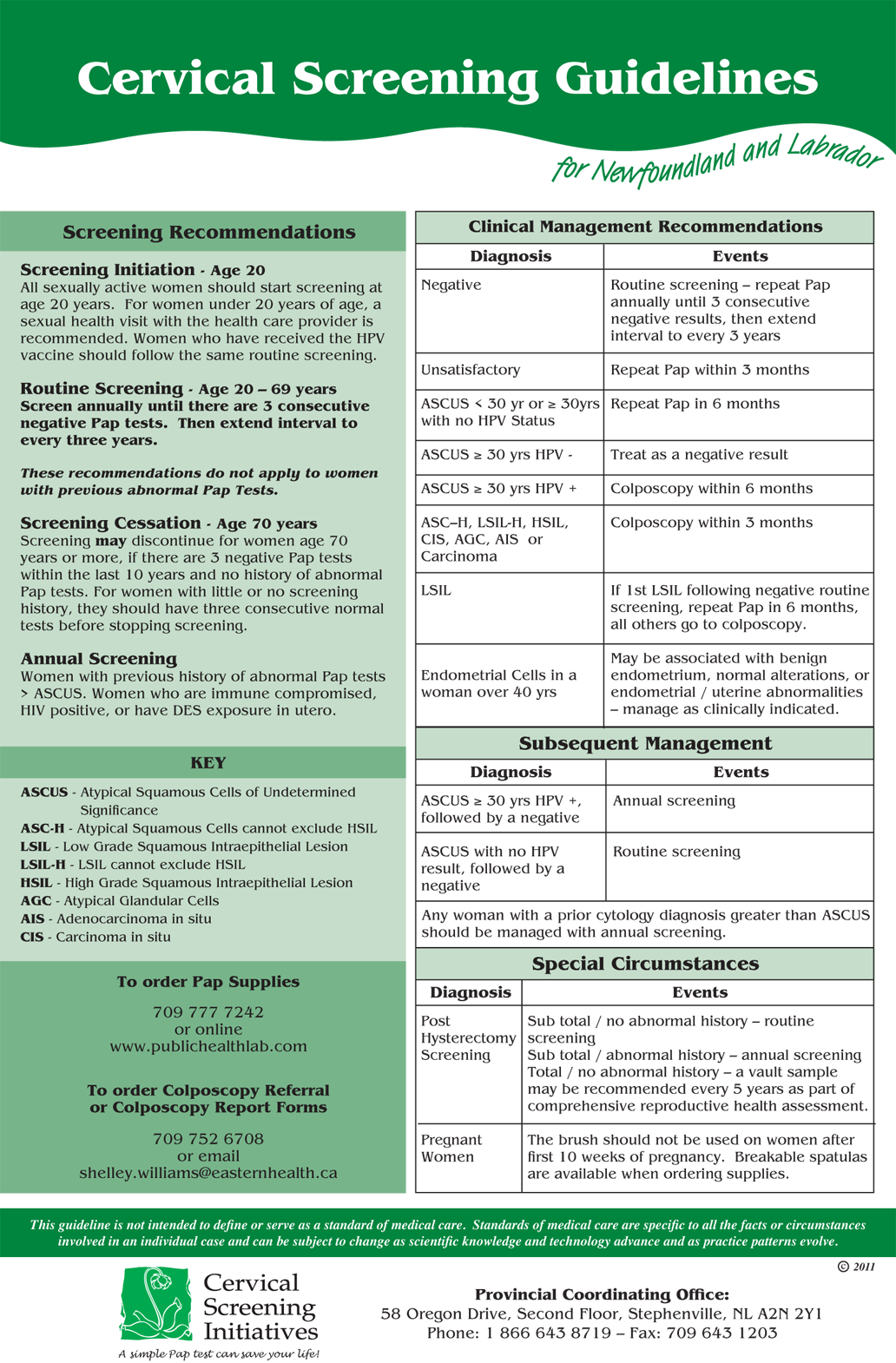 Source: compendiumapp.com
Women who have had CIN 2 should continue screening for 20 years after the last abnormal test result even if it extends screening beyond age 65 years. Why does the new guideline recommend screening starting at age 25 instead of age 21. Women age 30 and older who have had three consecutive normal Pap smears should have a Pap smear every three years. Shared decision between provider and patient no recommendations either way for bimanual or pelvic exam ACOG. A second Pap smear within the first year of diagnosis is no longer required CIII Moyer VA Ann Intern Med 2012.
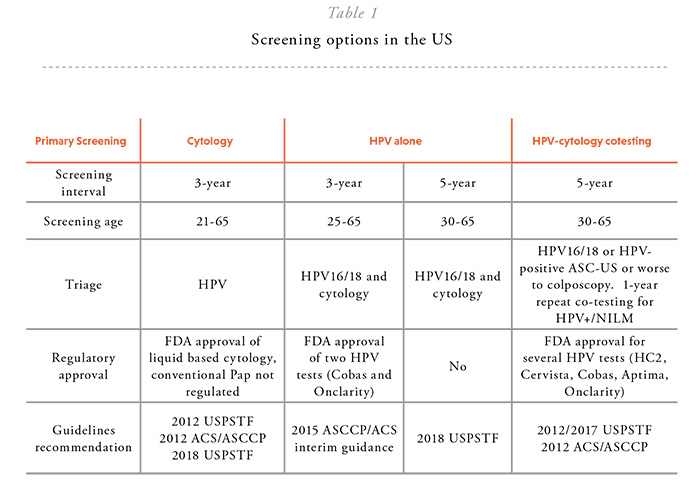 Source: hpvworld.com
Shared decision between provider and patient no recommendations either way for bimanual or pelvic exam ACOG. Later in the week news broke that Pap smear guidelines were also revised. Can I still be screened through my personal physician who is not a part of the WTC Health Program. Why does the new guideline recommend screening starting at age 25 instead of age 21. A recommendation The USPSTF recommends screening every 3 years with cervical cytology alone every 5 years with hrHPV testing alone or every 5 years with hrHPV testing in combination with cytology cotesting in women aged 30 to 65 years.
Source: uspreventiveservicestaskforce.org
USPSTF Cervical Cancer Screening Recommendations for Women at Average Risk Cervical cancer screening should start at 21 years of age. Pap Smear Screening begins at age 21 regardless of when sexual activity starts. Using nationally-representative survey data from the Behavioral Risk Factor Surveillance System we constructed a joinpoint model to evaluate if the guideline affected pap smear discontinuation defined as no pap for 5. For women aged 30 to 65 years the USPSTF recommends screening every 3 years with cervical cytology alone every 5 years with high-risk human papillomavirus hrHPV testing alone or every 5 years with. 7 The American Academy of Family Physicians.
 Source: researchgate.net
The difference in the new ACS guidelines is that they elevate HPV testing alone over the other two tests. According to USPSTF guidelines If you are between the ages of 21-29 you are eligible for a Pap smear every three years. Philadelphia March 15 2012 Women ages 21 to 65 should have a Pap smear every three years according to new guidelines from the United States Preventive Services Task Force USPSTF. Women who have had CIN 2 should continue screening for 20 years after the last abnormal test result even if it extends screening beyond age 65 years. Women age 30 and older who have had three consecutive normal Pap smears should have a Pap smear every three years.
 Source: researchgate.net
This test identifies cancer cells and abnormal cervical cells that may progress to cancer. The USPSTF recommends screening for cervical cancer in women age 21 to 65 years with cytology Pap smear every 3 years or for women ages 30. 6 The ASCCP and SGO issued interim guidance in 2015 that recommended primary HPV screening starting at age 25 years as an alternative to cytology alone or cotesting. O Women immunized against HPV. The USPSTF recommends against routinely screening women older than age 65 for cervical cancer if they have had adequate recent screening with normal Pap smears and are not otherwise at high risk for cervical cancer see Clinical Considerations.
 Source: consultqd.clevelandclinic.org
Cervical Cancer Screening Guidelines. Later in the week news broke that Pap smear guidelines were also revised. O Women immunized against HPV. The USPTF recommends every 3 years. Cervical Cancer Screening Guidelines.
 Source: mdedge.com
If you are 21 to 29 Have a Pap test alone every 3 years. If you are between the ages of 30-65 you are eligible for a Pap smear in combination with HPV screening every five years. Can I still be screened through my personal physician who is not a part of the WTC Health Program. For women age 30 to 65 years recommendations are either Pap every three years or co-testing Pap and human papillomavirus HPV testing every five years preferred. Women 30-65 and older who.
 Source: researchgate.net
The USPSTF recommends screening for cervical cancer every 3 years with cervical ytology alone in women aged 21 to 29 years. For women aged 30 to 65 years the USPSTF recommends screening every 3 years with cervical cytology alone every 5 years with high-risk human papillomavirus hrHPV testing alone or every 5 years. 6 The ASCCP and SGO issued interim guidance in 2015 that recommended primary HPV screening starting at age 25 years as an alternative to cytology alone or cotesting. The 2018 USPSTF guideline included HPV testing alone cotesting and Pap testing as equal options. The USPSTF recommends screening for cervical cancer in women age 21 to 65 years with cytology Pap smear every 3 years or for women ages 30.
 Source: aafp.org
The USPSTF recommends screening for cervical cancer every 3 years with cervical ytology alone in women aged 21 to 29 years. 6 The ASCCP and SGO issued interim guidance in 2015 that recommended primary HPV screening starting at age 25 years as an alternative to cytology alone or cotesting. Pap Smear Screening begins at age 21 regardless of when sexual activity starts. Women age 30 and older who have had three consecutive normal Pap smears should have a Pap smear every three years. USPSTF Cervical Cancer Screening Recommendations for Women at Average Risk Cervical cancer screening should start at 21 years of age.
 Source: quizlet.com
6 The ASCCP and SGO issued interim guidance in 2015 that recommended primary HPV screening starting at age 25 years as an alternative to cytology alone or cotesting. Women age 30 65 may also choose a Pap smear screening with HPV testing every 5 years. Women USPSTFACSASCCP WOMEN WITH HIV. O Women immunized against HPV. The USPSTF recommends screening for cervical cancer in women age 21 to 65 years with cytology Pap smear every 3 years or for women ages 30.
This site is an open community for users to do submittion their favorite wallpapers on the internet, all images or pictures in this website are for personal wallpaper use only, it is stricly prohibited to use this wallpaper for commercial purposes, if you are the author and find this image is shared without your permission, please kindly raise a DMCA report to Us.
If you find this site adventageous, please support us by sharing this posts to your own social media accounts like Facebook, Instagram and so on or you can also bookmark this blog page with the title pap smear guidelines uspstf by using Ctrl + D for devices a laptop with a Windows operating system or Command + D for laptops with an Apple operating system. If you use a smartphone, you can also use the drawer menu of the browser you are using. Whether it’s a Windows, Mac, iOS or Android operating system, you will still be able to bookmark this website.


